
If you are torn between marble and granite, it is probably not because you cannot tell them apart. It is because they create very different moods. One feels soft and expressive. The other feels grounded and confident.
Choosing between marble and granite is about deciding what kind of presence you want in your space. This guide focuses on style first, with durability only where it naturally matters.
How marble and granite express style differently
Style is not only about what you see on installation day. It shows up in how a surface ages, how it reacts to daily life, and how it makes a space feel over time.
Marble and granite express style in very different ways, which is why people tend to feel drawn to one more than the other almost instinctively.
Marble style: softness, elegance, and lived-in beauty
Marble is chosen for how it feels, not how hard it works. Its style comes through in a few key ways:
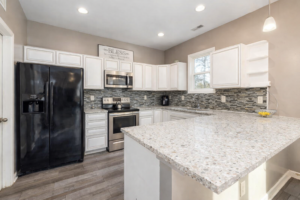
- A quiet, refined elegance that feels natural rather than bold
- White marble varieties like Carrara marble and Calacatta marble that are closely tied to timeless design
- Veining that is soft and fluid, giving marble a more organic appearance
- A surface that suits spaces where atmosphere matters more than toughness
Over time, marble changes. Small marks, subtle wear, and surface variation become part of its story. For many people, that lived-in quality is the appeal. Marble offers beauty that deepens rather than stays static.
Granite style: strength, variation, and confidence
Granite communicates style through presence and reliability. Its character shows up in:
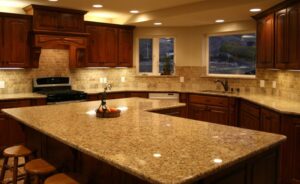
- Bold patterning and natural variation across granite slabs
- A wide range of colors and granite options that feel grounded and substantial
- A look that reads as stable, confident, and permanent
- A surface that fits spaces designed for constant use
Granite tends to project strength visually as well as physically. Granite countertops often feel anchored and dependable, which is why they are a popular choice when style and performance need to coexist comfortably.
Why style is also about aging, not just first impressions
Both stones change over time. They just change differently. The difference usually comes down to preference:
- Marble is softer and more prone to visible wear
- Granite generally holds its original look longer
- Marble develops patina and character
- Granite resists change and stays more uniform
Some people value surfaces that evolve and show history. Others prefer consistency and a cleaner look over time. Choosing between marble and granite is often about deciding which type of aging feels right for your space, not which stone is technically better.
Which stone fits your lifestyle and space
Style becomes practical once the stone has to live with you. How you cook, clean, and move through your home will usually make the decision clearer than any comparison chart.
Kitchen use, durability, and daily habits
Kitchens are where the differences between marble and granite show up fastest.
Here is how each stone fits into daily kitchen life:
- Marble requires more awareness around spills and acidic substances, especially if you cook often
- Marble is porous and needs regular sealing to reduce staining
- Granite resists stains better and can withstand heavier daily use
- Granite could be a better option for busy kitchens where surfaces see constant action
- Marble could still work if you are comfortable with maintenance and the idea of patina over time
For kitchen countertops, the choice often comes down to how much attention you want to give the surface after installation.
Bathrooms and lower-use spaces
Not every surface in a home is used the same way.
In these spaces, the balance shifts:
- Marble works well in bathrooms where contact is lighter and heat exposure is limited
- Granite also performs well, but its visual weight may feel stronger than some designs call for
- The choice often comes down to softness versus strength in the overall look
- Both are natural stone countertops, but their behavior changes depending on where they are used
Bathrooms allow more flexibility because the stone is not under the same daily pressure as a kitchen countertop.
Cost, maintenance, and long-term satisfaction
Price only matters when it aligns with expectations. Instead of focusing on numbers, it helps to think in terms of commitment:
- Granite is often less expensive than marble at the outset
- Marble requires regular care to maintain its appearance
- Granite requires less maintenance over time
- Long-term satisfaction depends on choosing a stone that fits your lifestyle, not just your budget
The right choice is the one you will still enjoy years later, without feeling like the surface works against how you live.
Still choosing between marble and granite
You do not have to decide this based on photos or surface-level comparisons. A quick conversation can help you see how each stone fits your space, your habits, and the way you actually live with your countertops.
If you want clarity without pressure, talk through your space and habits with a fabricator who works with both. The right choice usually becomes obvious once the decision is grounded in real use.
FAQs
What are the main differences between marble and granite
The main differences between marble and granite come down to aesthetics, behavior, and how each stone ages. Marble countertops are known for softness, veining, and the timeless elegance of marble.
Granite offers strength, visual variation, and long-term durability. Choosing between granite and marble often depends on whether you value expressive beauty or structural confidence in your countertop material.
Is marble or granite better for kitchen countertops
For most kitchens, granite is one of the more practical options. Granite can withstand daily cooking, heat, and frequent cleaning better than marble. Marble is more prone to scratches and staining, which means it requires more attention.
Marble can still work in a kitchen, but only if you are comfortable with maintenance and natural wear. The best for your kitchen depends on how you use the space.
Does marble stain more easily than granite
Yes, compared to granite, marble is more likely to stain if spills are left too long. Marble is porous and reacts to acidic substances more readily. Granite typically isn’t as porous as marble. Keeping your countertops sealed and cleaned helps both stones perform well, but marble requires more awareness day to day.
Marble vs. granite: Which stone suits a modern or classic style better
Marble often suits classic, refined spaces because marble exudes softness and visual flow. Granite can vary widely in pattern and color, which makes granite work well in modern, structured designs.
The appearance of marble feels lighter and more expressive, while granite tends to feel grounded and bold. Discover which stone suits your style by looking at how each surface shapes the mood of a room.
How much maintenance do marble and granite countertops require
Marble and granite countertops both need care, but at different levels. Marble requires regular sealing and more careful cleaning. Granite requires less frequent sealing and is easier to live with day to day. Choosing the material that suits your needs helps prevent frustration later and supports long-term satisfaction.
How do I choose between marble and granite for my home
The choice between marble and granite depends on your lifestyle, not just appearance. Think about where the stone will be used, whether it is for a kitchen or bathroom, and how much maintenance you are willing to handle.
Making an informed choice means balancing style, habits, and expectations. A fabricator can help you make an informed decision by walking through slab options and real-use scenarios for your home.