
If you’re comparing soapstone and granite countertops, you’re looking at two of the most trusted materials for kitchens. Both offer durability and strong aesthetic appeal. But cooking spaces place unique demands on a countertop: heat, spills, impact, and constant use.
Understanding how each stone responds to those realities is what helps you choose the right surface for the way you cook, not just the way the kitchen looks.
What Soapstone and Granite Countertops Are, and Why That Matters in a Kitchen
Soapstone and granite are both natural stone countertop materials, but they’re formed in very different ways, and that difference shows up in daily kitchen use.
Soapstone is a metamorphic rock made primarily of talc. That mineral makeup gives soapstone a softer feel and a smooth, almost silky surface. It also means soapstone behaves differently under heat, impact, and wear than harder stones do.
Granite, on the other hand, is an igneous stone formed from cooled magma. Its crystalline structure makes granite one of the hardest and most durable natural stone options for a kitchen countertop. That hardness affects everything from scratch resistance to long-term maintenance.
Understanding how soapstone and granite are formed helps explain why each performs the way it does in cooking spaces, and why neither behaves like engineered materials or synthetic surfaces.
Granite vs. Soapstone: Heat, Scratches, and Daily Wear in Cooking Areas
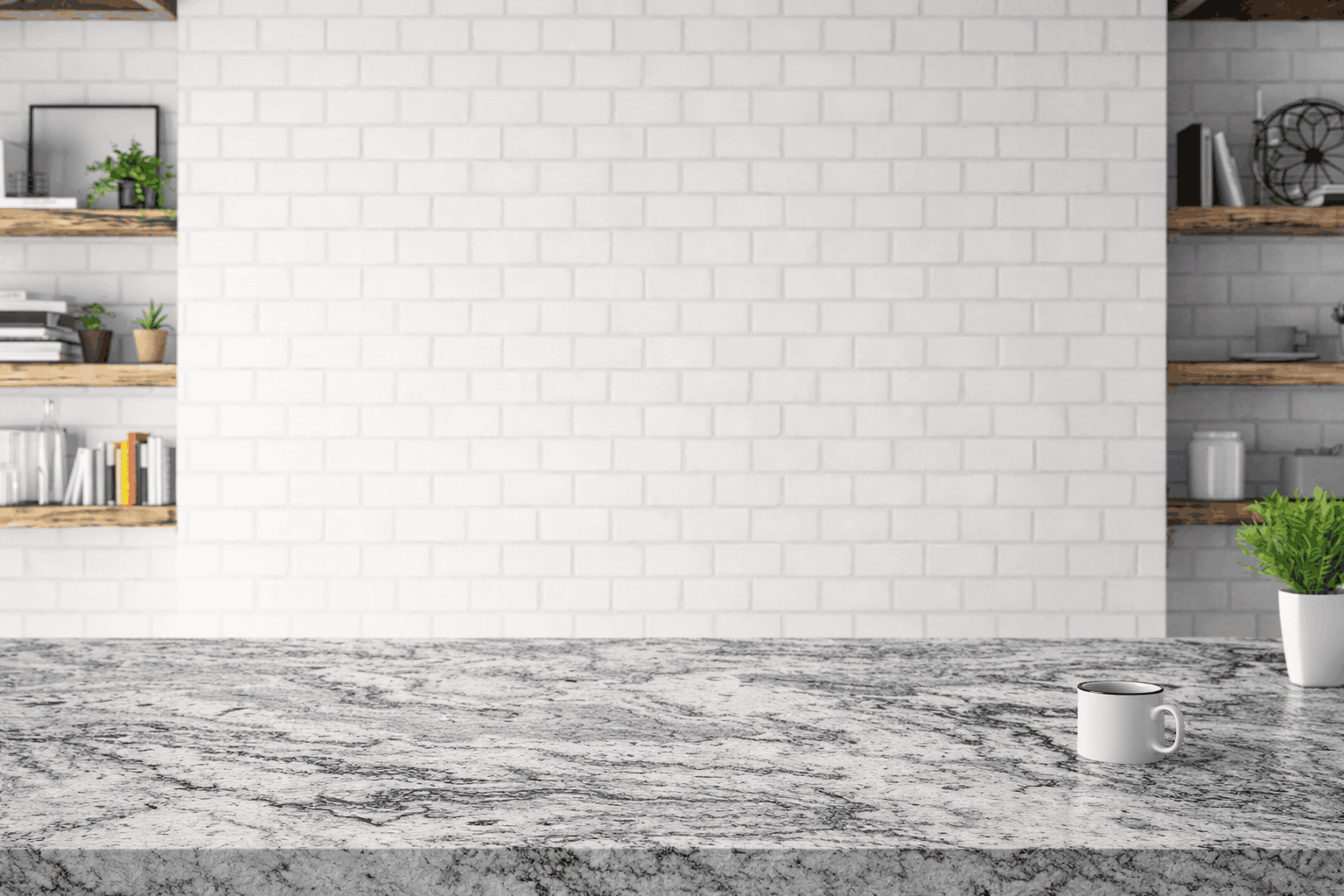
When you’re cooking regularly, your countertop isn’t just a surface; it’s part of how the kitchen functions. Heat, impact, and constant movement all leave a mark over time. Granite and soapstone handle that wear differently.
Heat Resistance Around Cooktops and Pans
Soapstone is known for its ability to tolerate heat better than many countertop materials. Its composition makes it more forgiving around cooktops and with temperature changes than other natural stone options.
That said, no countertop is immune to thermal shock. Placing hot pans or cookware directly on the surface is never recommended. Using trivets or heat protection helps preserve the stone’s finish and reduces the risk of cracking over time, regardless of the material you choose.
Granite also handles heat well, but it’s less forgiving. Sudden temperature changes or extremely hot cookware can cause cracking in rare cases, which is why using trivets or heat pads is still recommended. With any countertop, thoughtful habits help extend its lifespan.
Scratch Resistance and Wear Over Time
Granite is highly resistant to scratches and holds up well in high-traffic cooking areas. Daily wear from cookware, utensils, and prep work is less likely to leave visible marks, which is why granite remains a popular choice for busy kitchens.
Soapstone is softer, so scratches and scuffs are more likely to appear over time. The difference is how those marks behave. Soapstone tends to show wear gradually and evenly, and surface scratches can often be sanded out. Some people appreciate this natural patina, while others prefer granite’s ability to look unchanged longer.
In short, both materials are durable, but they age in different ways. The right choice depends on whether you want a surface that resists visible wear or one that develops character with use.
Granite vs. Soapstone: Maintenance Differences That Affect Everyday Cooking
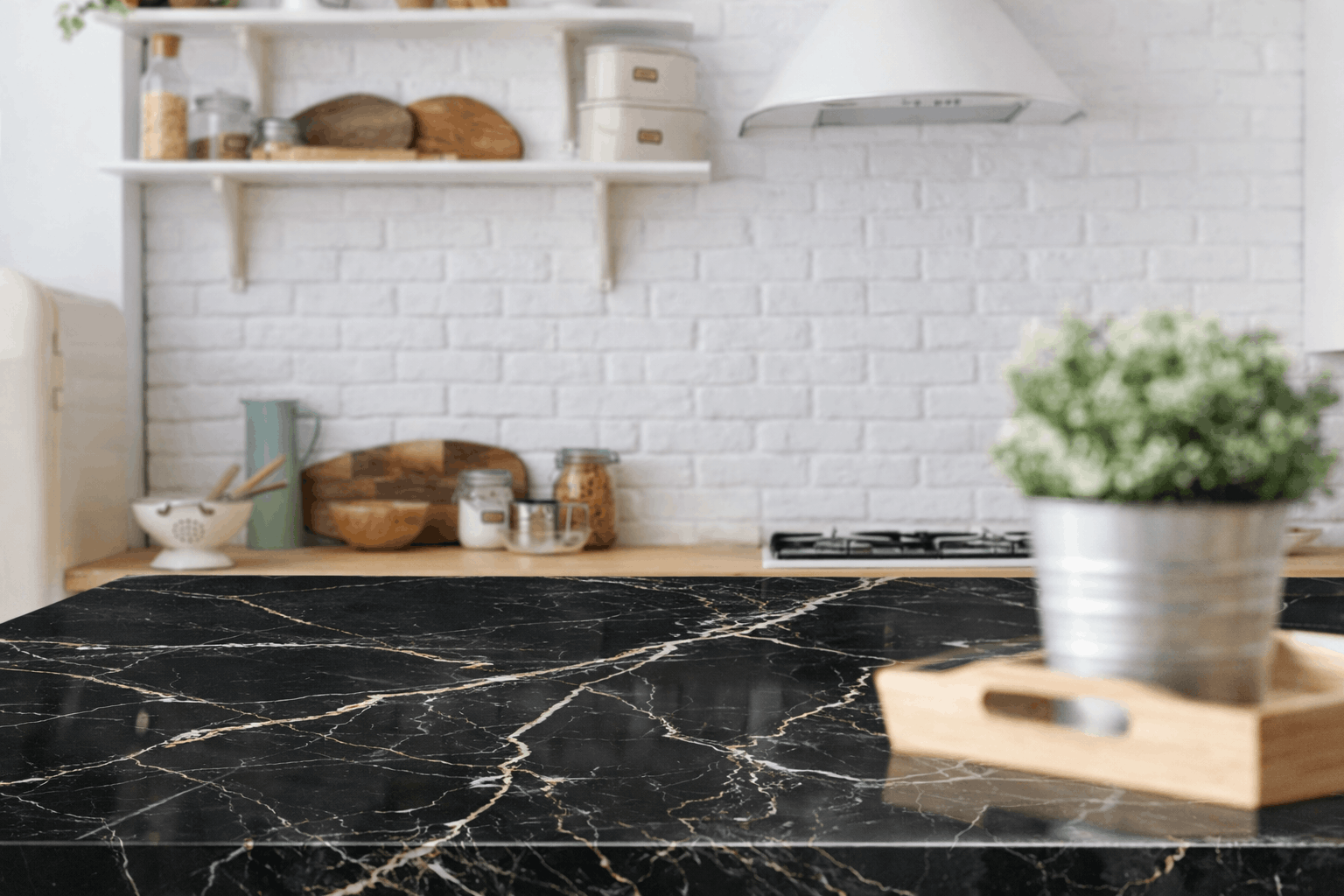
Granite requires sealing to help resist stains. How often depends on the slab and how much you cook, but sealing is part of owning a granite countertop. When maintained properly, granite holds up well and stays looking consistent over time.
Soapstone is nearly non-porous, which means it does not require sealing the same way that granite does. Spills sit on the surface rather than soaking in, making routine cleanup straightforward. Many people choose soapstone for this reason alone.
Many people apply mineral oil to soapstone to change its appearance, not to protect it. Oiling darkens the surface and brings out the stone’s natural veining, especially in darker slabs. If you stop oiling, the surface will gradually lighten on its own. Neither approach affects durability.
For both materials, cleaning is done with just soap and water. Specialty cleaners are rarely necessary and can sometimes do more harm than good.
Soapstone vs Granite: Visual Style and Design Flexibility in Kitchens
Granite and soapstone offer very different visual experiences, and neither is objectively better. It comes down to what you want the kitchen to feel like.
Granite offers a wide range of colors and patterns, from bold movement to subtle textures. Options like black granite and soft shades of gray are common, and no two slabs are exactly alike. This variety gives you flexibility when matching cabinets, flooring, and overall design.
Soapstone countertops have a more uniform appearance with subtle veining and a smooth, matte finish. Its look tends to be quieter and more understated. Many people are drawn to soapstone for its sense of sophistication and timelessness rather than visual contrast.
Both materials allow for customization through slab selection and fabrication details. Seeing full slabs in person makes a difference, especially when you are choosing between stones with natural variation.
Soapstone vs Granite: Durability and Longevity in High-Traffic Cooking Spaces
Both granite and soapstone are durable materials, but they hold up in different ways over time. Granite’s hardness helps it resist wear in high-traffic kitchens where countertops see constant use. Scratches and surface changes are less likely to show, which appeals to cooks who want their kitchen to look consistent year after year.
Soapstone is softer, but it tends to age more predictably. Instead of chipping or cracking, it develops a worn-in patina that many people find appealing. It is also less prone to cracking under everyday use, which makes it a reliable option for long-term performance when cared for properly.
Which Is the Better Choice for Your Cooking Space?
If you cook frequently and value a surface that stays visually consistent with minimal effort, granite often makes sense. Its hardness and durability suit busy kitchens where wear is unavoidable.
If you prefer lower maintenance and don’t mind visible signs of use over time, soapstone may be the better fit. It suits kitchens where function comes first, and natural aging is part of the appeal.
There is no universal best countertop. The right choice depends on how you cook, how much maintenance you want to take on, and what you expect your kitchen to look like years from now.
Get Expert Guidance Before Choosing Your Countertop
A countertop’s performance depends on how you cook, how the stone is fabricated, and how it’s installed. Understanding those details is what helps you choose confidently and avoid surprises later.
At KAT Fabricators, we help you weigh real-world trade-offs and select a countertop that fits how your kitchen actually functions, not just how it looks in photos.
Next steps:
- Schedule a Free Estimate
- Talk With a Countertop Specialist
- Explore Natural Stone Options With Our Team
FAQs: Common Questions About Soapstone and Granite in Kitchens
Is soapstone better than granite for cooking spaces?
Neither is universally better. Soapstone and granite perform well in kitchens, but they suit different priorities. Soapstone appeals if you want lower maintenance and don’t mind visible wear over time. Granite often fits better if you want a harder surface that stays visually consistent with heavy daily use.
Can you place hot pans directly on soapstone?
No countertop should be treated that way. Soapstone tolerates heat better than many materials, but placing hot pans directly on the surface is never recommended. Using trivets or heat protection helps prevent thermal shock and preserves the countertop long term.
Does granite require sealing?
Yes. Granite typically requires sealing to help resist stains. How often depends on the specific slab and how you use the kitchen, but sealing is part of granite ownership and should be planned for.
Which material scratches more easily?
Soapstone is softer and will show scratches more readily. Those marks are usually superficial and can often be sanded out. Granite is harder and more resistant to scratches, which is why it tends to look unchanged longer in high-traffic kitchens.
Is soapstone or granite more expensive?
Pricing varies by slab, availability, and fabrication. In many cases, soapstone can be more expensive due to sourcing and labor, but either material can fall into a similar range depending on the project. Cost should be evaluated alongside maintenance and long-term expectations.
Which material lasts longer in a busy kitchen?
Both materials last for decades when properly installed and cared for. Granite tends to maintain its original appearance longer, while soapstone changes gradually over time. Longevity comes down to how you cook, clean, and care for the surface, not just the stone itself.